
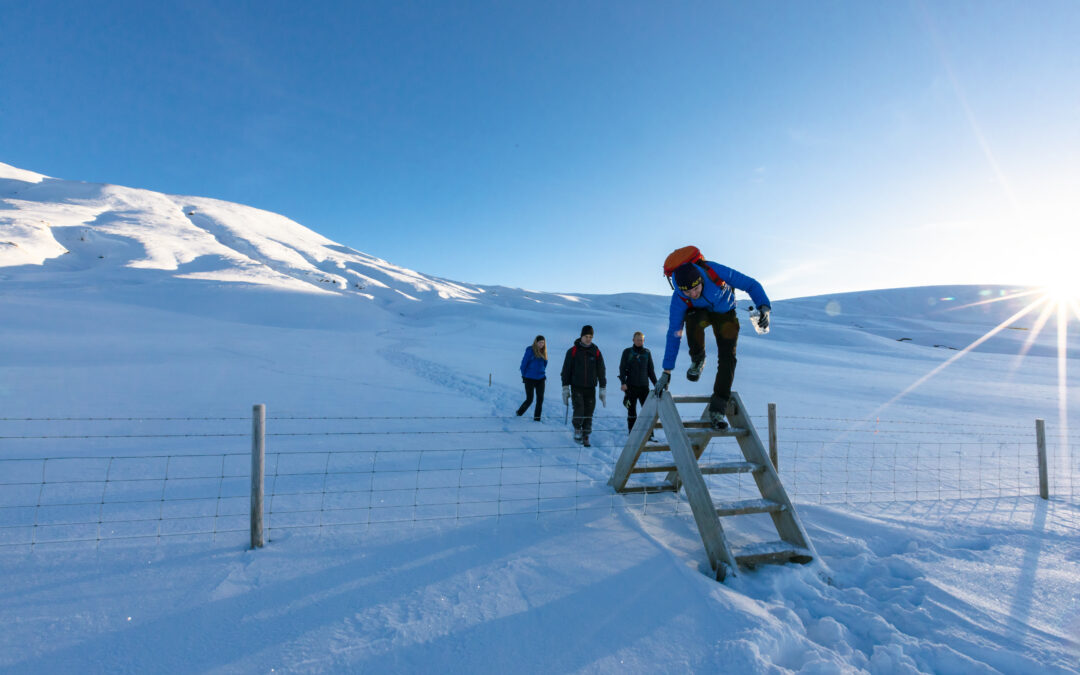
Planning winter travel in Iceland often starts with a clear image. A quiet landscape, a clear Arctic sky, and the possibility of seeing the Northern Lights. What is frequently overlooked is that Icelandic winter conditions are highly dynamic and often unpredictable, especially when traveling across exposed regions such as the South Coast.
During a recent multi-day tour with Midgard Adventure, this became immediately apparent. What began as a relatively stable travel day shifted within a short period of time. Strong winds pushed snow across the road, visibility dropped significantly, and driving conditions deteriorated quickly. Along the route, several rental vehicles had already stopped, having reached their operational limits under these conditions.
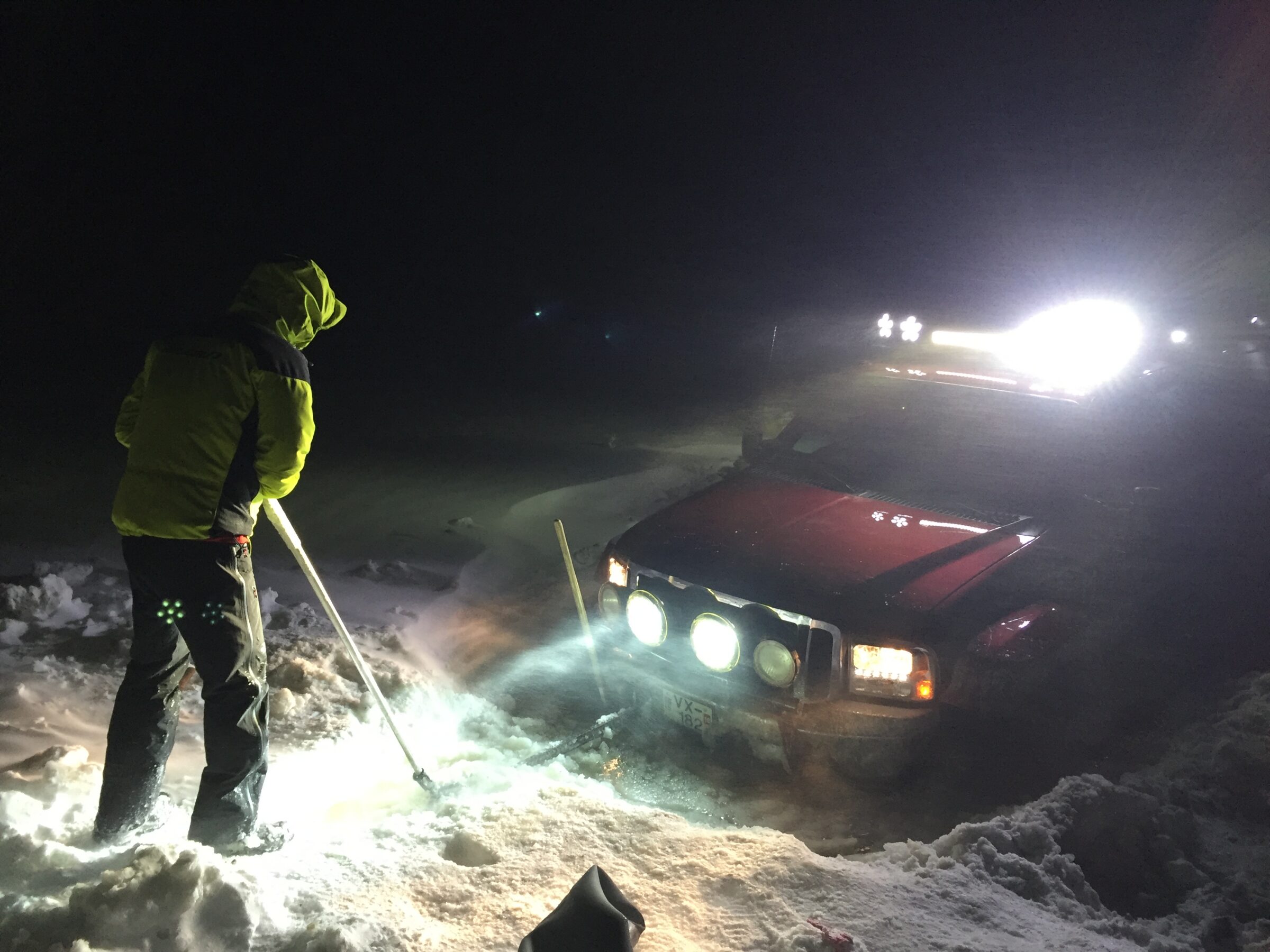
Situations like this illustrate a central aspect of winter travel in Iceland. It is not only about reaching destinations, but about navigating an environment where conditions can change faster than most travelers anticipate.
Common Mistakes Tourists Make in Winter
A recurring issue among travelers in Iceland during winter is a mismatch between expectation and environmental reality. While many arrive with appropriate clothing, the complexity of decision-making on the road is often underestimated.
One of the most critical factors is vehicle choice. Standard rental cars may appear sufficient during the planning phase, but they are not designed for rapidly changing conditions involving snow accumulation, black ice, and strong crosswinds. These factors significantly alter driving dynamics and increase risk, particularly for drivers without prior experience in similar environments.
Another key issue is the interpretation of weather warnings. Icelandic forecasting systems are highly reliable and provide granular information. However, warnings are often treated as optional guidance rather than operational constraints. Continuing to travel during yellow or orange alerts introduces unnecessary risk, particularly in regions where conditions can intensify rapidly.
Route planning is another weak point. Distances in Iceland are frequently underestimated due to map-based assumptions. In winter, reduced speeds, temporary closures, and limited visibility extend travel times considerably. Without sufficient time buffers, this can lead to driving under deteriorating conditions or increased time pressure, both of which negatively impact decision-making.
Finally, many travelers fail to continuously reassess conditions while on the road. Tools such as road.is provide real-time updates, including live camera feeds. However, these resources are often only consulted once at the beginning of the journey instead of being used as ongoing decision-support systems.
The Reality of a Blizzard on the South Coast
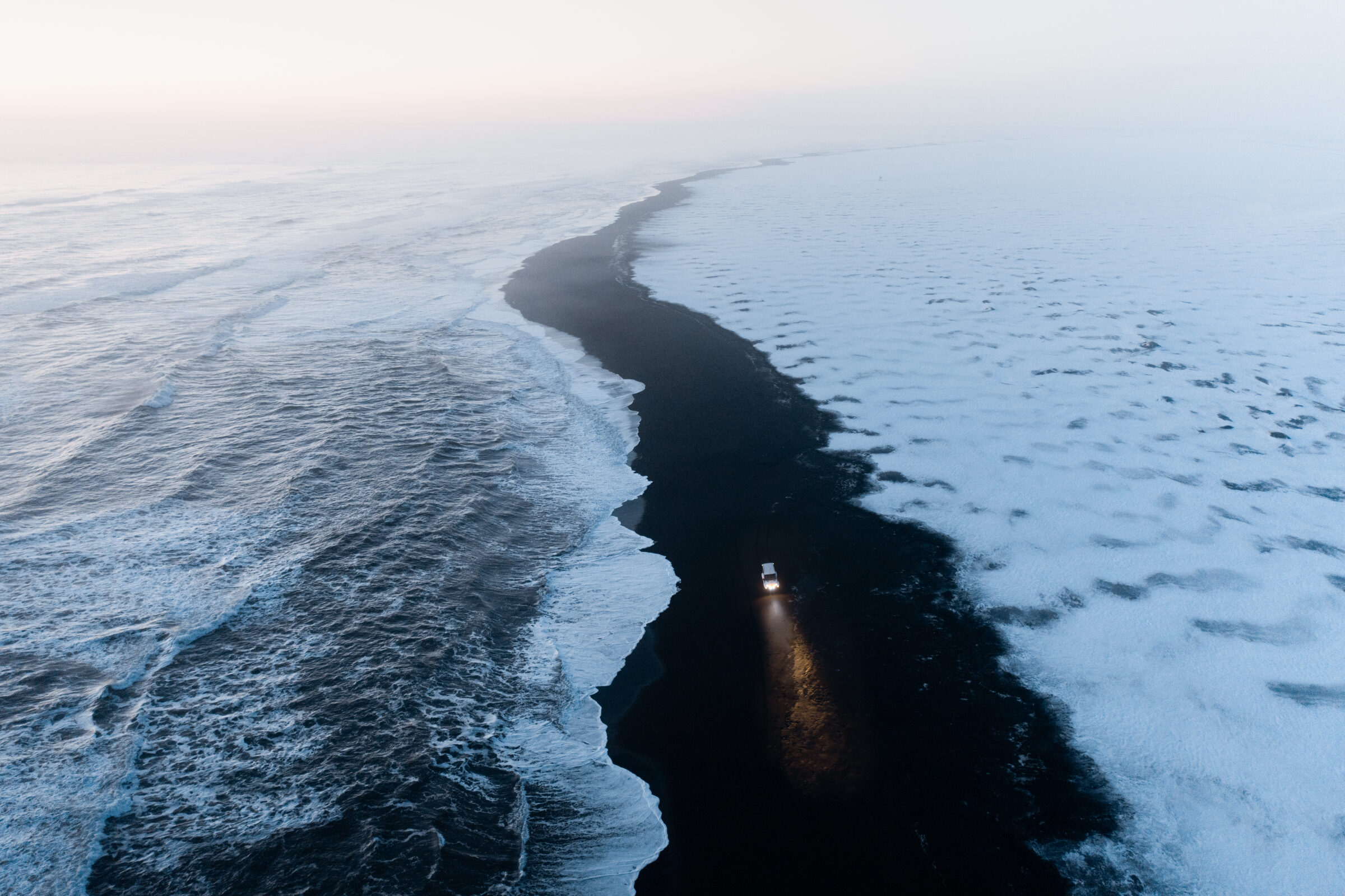
The South Coast is one of Iceland’s most visited regions, but also one of the most exposed to rapid weather changes. During the tour, the transition into a full winter storm occurred within a short timeframe. Wind-driven snow reduced visibility to near-whiteout conditions, and traffic flow slowed significantly as vehicles adjusted or stopped.
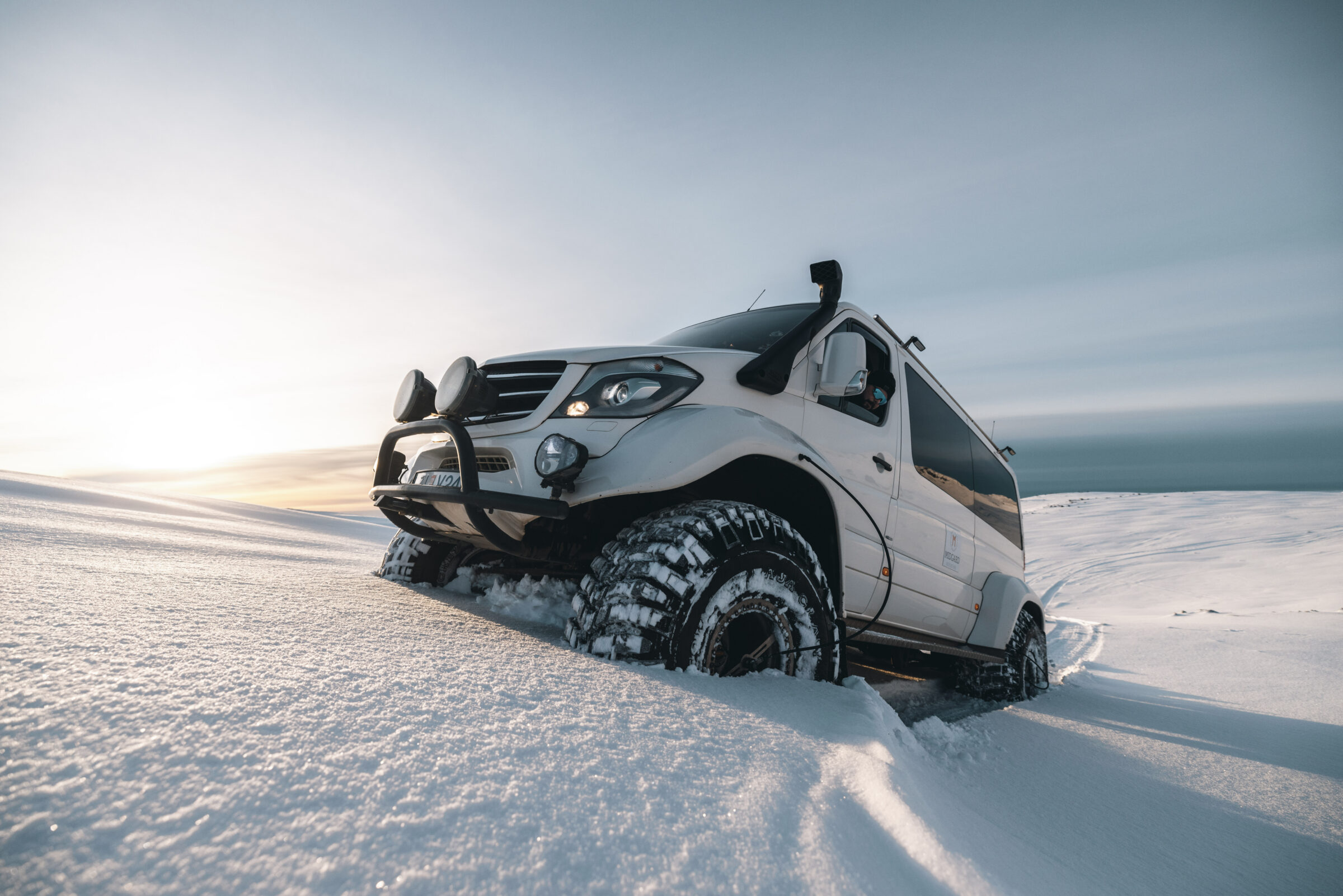
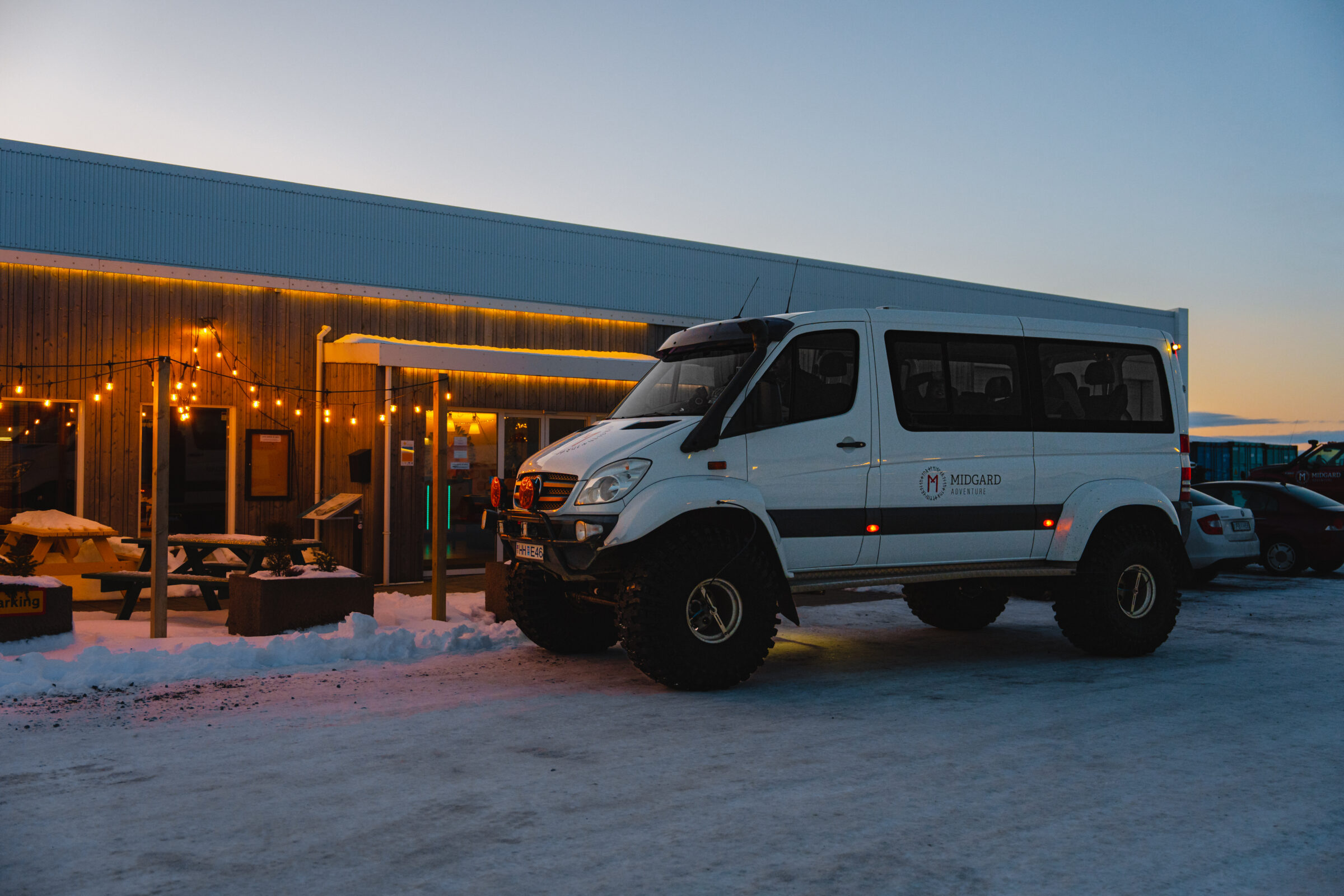
Inside the Midgard Super Jeep, the situation was fundamentally different. The environment remained controlled, not because the conditions were less severe, but because decision-making was externalized to experienced guides. Speed, routing, and timing were continuously adjusted based on real-time assessment of the situation.
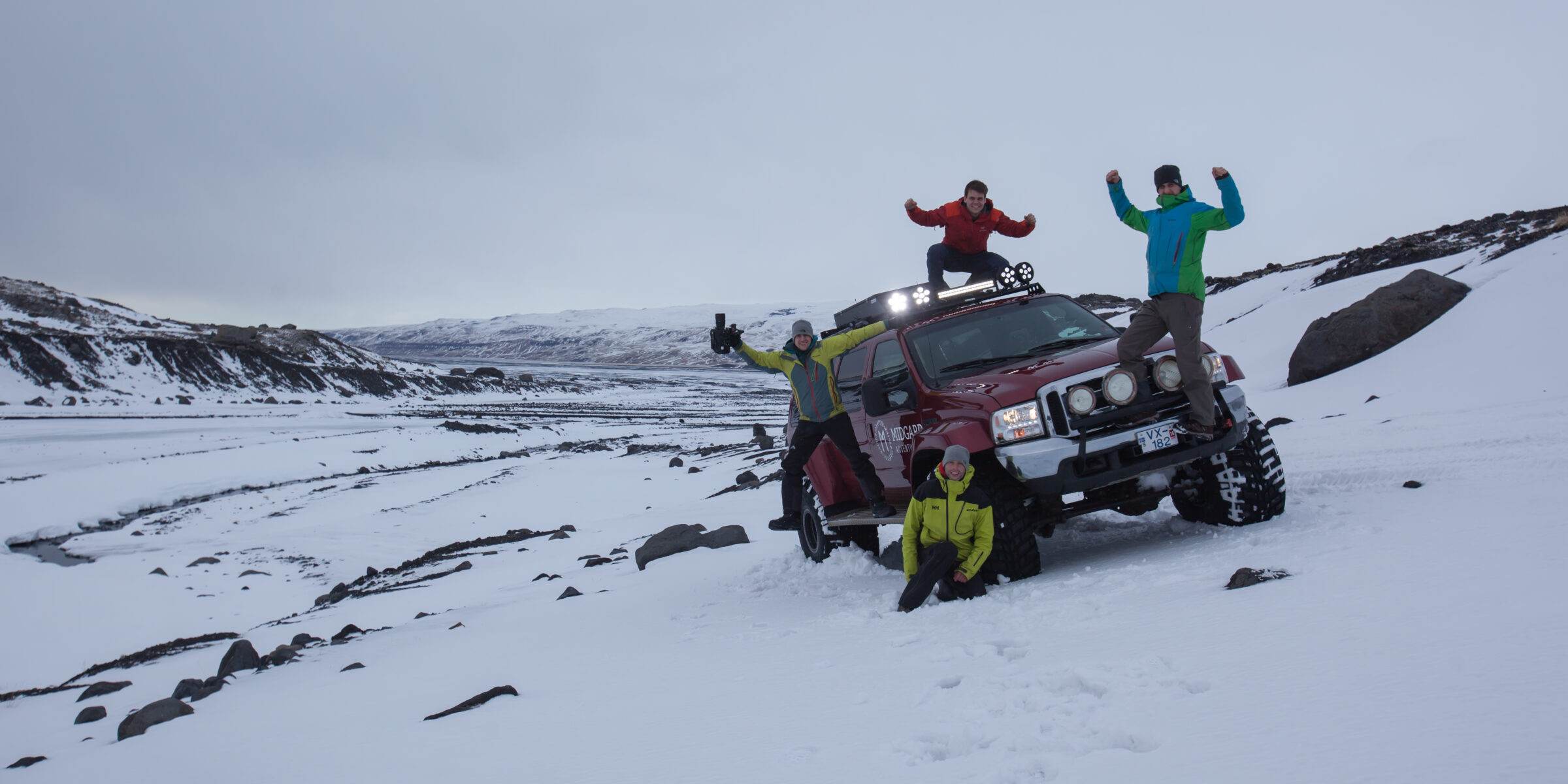
This distinction is critical. The challenge of winter travel in Iceland is not only physical but cognitive. Constantly monitoring conditions, interpreting data, and making decisions under uncertainty creates a high cognitive load for drivers. Removing this layer allows travelers to observe and experience the environment without being directly responsible for managing its risks.
How to Prepare for Winter Travel in Iceland
For those planning to travel independently, preparation needs to be understood as an ongoing process rather than a one-time setup. Regular monitoring of road and weather conditions is essential. This includes checking platforms such as road.is multiple times throughout the day, not just before departure. Weather forecasts should be treated as dynamic inputs that directly influence travel decisions.
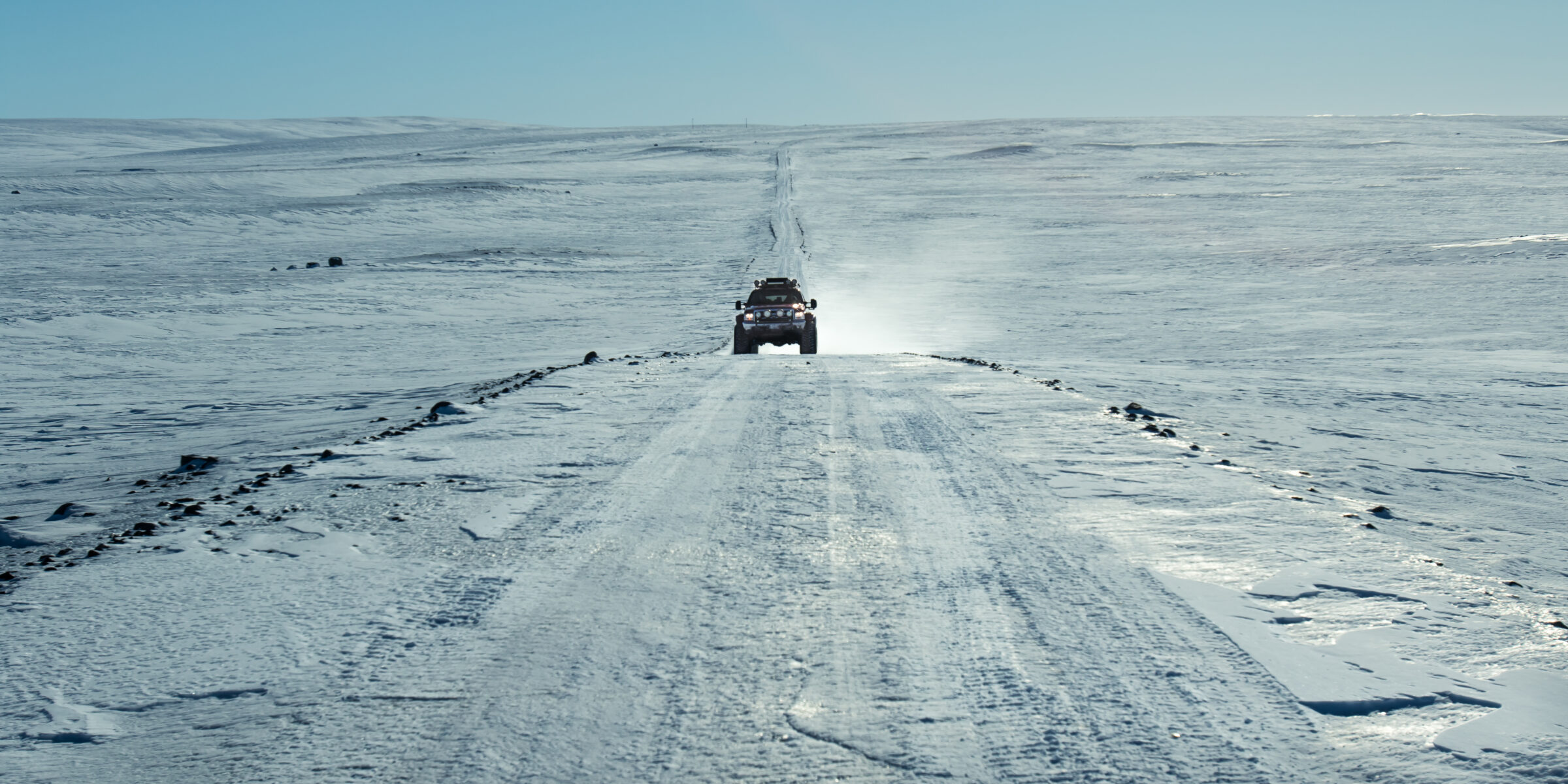
Equally important is an accurate assessment of personal driving capability. Driving in Icelandic winter conditions involves variables that differ significantly from standard road environments, including wind exposure, rapidly changing visibility, and surface instability. Recognizing personal limits and adjusting plans accordingly is a key component of risk management.
Why Many Travelers Choose Guided Tours
Given these conditions, the decision to join guided tours in Iceland in winter is often based on risk management rather than convenience. Guides operate with localized knowledge and experience that allows them to anticipate changes rather than react to them. This shifts the decision-making process from reactive to proactive, which is particularly relevant in unstable environments.
In addition, vehicles used for guided tours, such as Super Jeeps, are specifically adapted to Icelandic terrain. Their technical capabilities extend beyond those of standard rental vehicles, enabling safer navigation under challenging conditions.
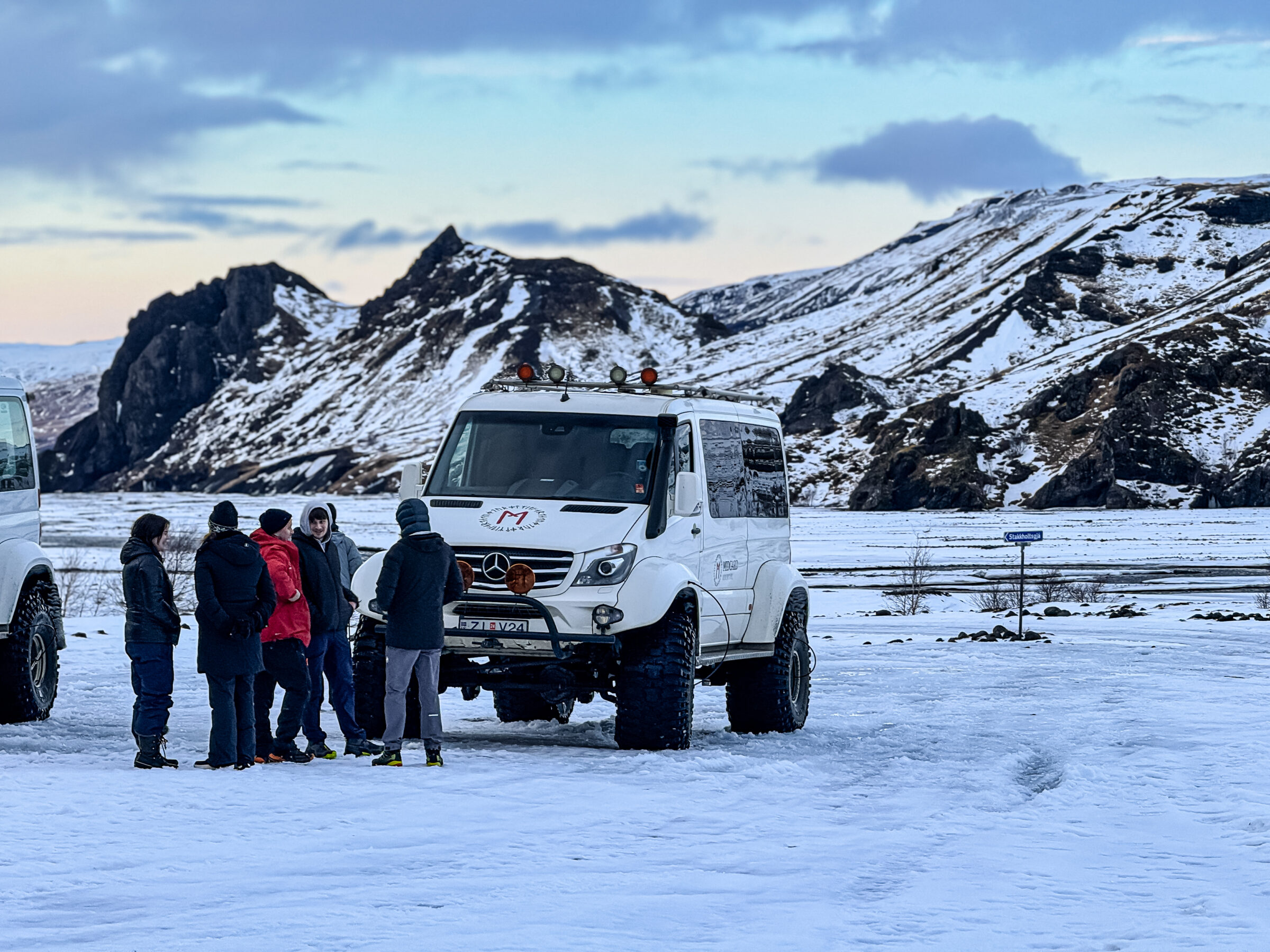
A third factor is the redistribution of cognitive load. Without the need to continuously interpret weather data, monitor road conditions, or make routing decisions, travelers can focus on observing and experiencing the landscape itself. This fundamentally changes the nature of the journey.
Multi-day formats, such as the 4-Day Northern Lights Adventure, reflect this approach. Rather than focusing on a single outcome, these tours integrate different aspects of winter travel and adapt dynamically to conditions. This increases both flexibility and the likelihood of meaningful experiences, regardless of specific weather outcomes.
More Than Just Reaching the Destination
Winter travel in Iceland is often framed around specific goals, most commonly the Northern Lights. In practice, these outcomes are inherently uncertain.
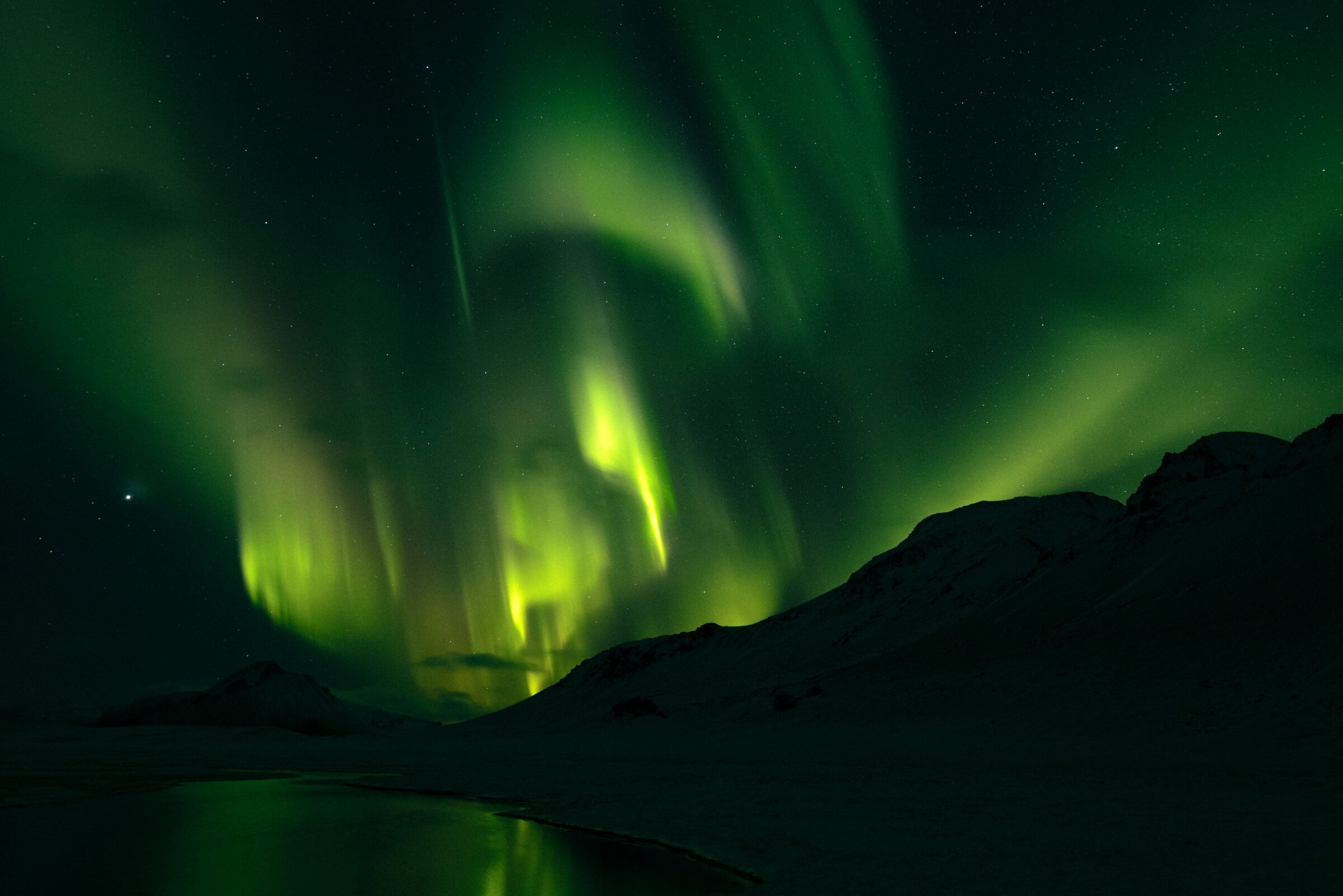
The more consistent value lies in the process itself. Experiencing how quickly conditions can shift, understanding the constraints of the environment, and observing how these challenges are navigated in real time often becomes the defining aspect of the journey.
Experiencing Iceland the Right Way
Iceland does not reward rigid planning. It requires adaptive strategies, continuous information processing, and a realistic assessment of risk.
Whether traveling independently or as part of a guided tour, the quality of the experience is directly linked to how well these factors are managed. For many travelers, joining us on a structured itinerary like our 4-Day Northern Lights Adventure offers a way to experience Iceland’s winter environment with confidence, even when conditions become complex. Because ultimately, traveling in Iceland during winter is not about controlling the conditions, but about navigating them effectively.